When a property sits empty—whether it's a house between tenants, a commercial building awaiting renovation, or real estate held for future development—many owners assume their standard insurance policy will continue to provide coverage. Unfortunately, this assumption can lead to devastating financial consequences. Vacant properties face unique risks that require specialized insurance protection, and understanding these risks is crucial for both residential and commercial property owners.
The Hidden Dangers of Vacancy
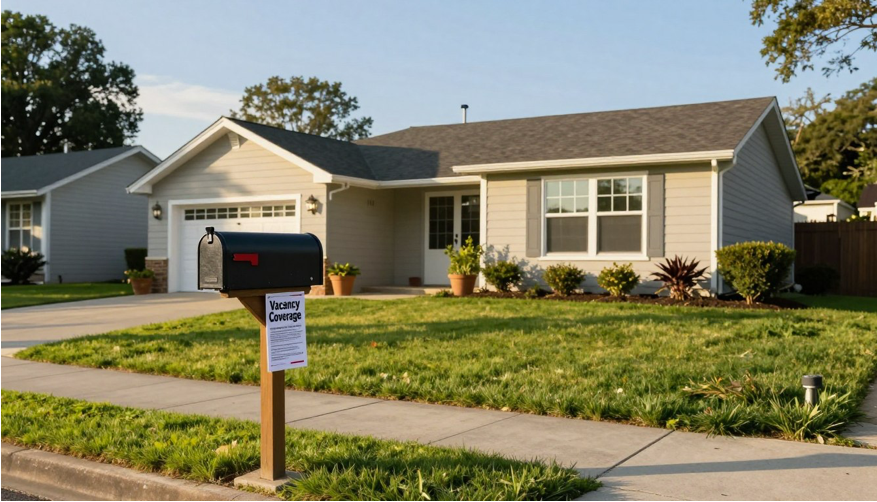
An unoccupied property is fundamentally different from an occupied one in the eyes of insurance companies, and for good reason. Without regular human presence, problems that would normally be caught early can escalate into catastrophic damage. A small leak that a resident would notice immediately can go undetected for weeks in a vacant home, causing extensive water damage, mold growth, and structural deterioration. Similarly, a break-in at an occupied commercial building might be interrupted or quickly discovered, while thieves have unlimited time to strip a vacant property of valuable copper wiring, HVAC systems, and fixtures.
Vacant properties are also prime targets for vandalism, squatters, and arson. Without the deterrent effect of regular occupancy, these properties become magnets for illegal activity. The longer a property remains vacant, the greater these risks become.
Why Standard Insurance Policies Fall Short
Most traditional homeowners and commercial property insurance policies include vacancy clauses that significantly limit or completely exclude coverage after a property has been unoccupied for 30 to 60 consecutive days. Insurance carriers implement these restrictions because actuarial data clearly demonstrates that vacant properties file claims at substantially higher rates than occupied ones.
When a standard policy's vacancy clause takes effect, property owners may find themselves with no coverage for:
- Fire and smoke damage
- Vandalism and malicious mischief
- Theft
- Water damage from burst pipes or roof leaks
- Liability claims if someone is injured on the property
This gap in coverage leaves property owners personally responsible for potentially hundreds of thousands of dollars in losses at the very time when the property is generating no income.
Residential Vacant Property Insurance: Protecting Homes in Transition
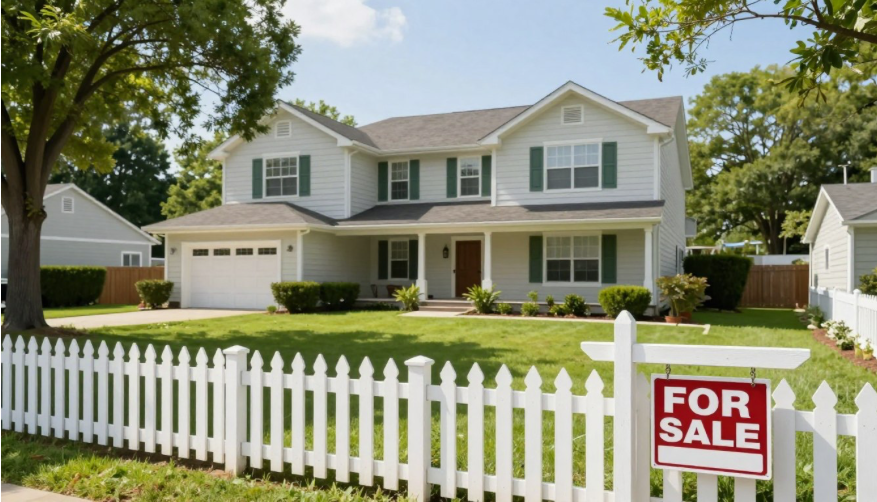
Residential properties become vacant for numerous reasons. Homeowners may be relocating for work and unable to sell quickly. Inherited properties often sit empty during estate settlement. Homes undergoing extensive renovations cannot be occupied safely. Investment properties experience gaps between tenants. Seasonal homes may remain unoccupied for extended periods.
Whatever the reason, residential vacant property insurance provides the comprehensive protection that standard homeowners policies withdraw. This specialized coverage addresses the elevated risks associated with an empty home while maintaining protection for the significant investment the property represents.
Key features of residential vacant property insurance typically include coverage for the dwelling structure, protection against vandalism and theft, liability coverage in case someone is injured on the property, and sometimes limited coverage for personal property left in the home. Importantly, this coverage remains in force regardless of how long the property sits empty, providing peace of mind during uncertain transition periods.
Commercial Vacant Property Insurance: Safeguarding Business Real Estate
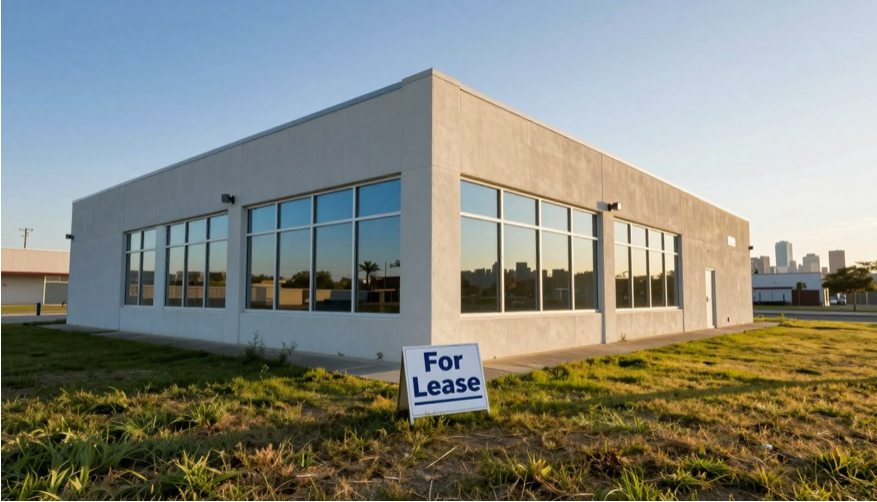
Commercial properties face even more complex challenges when vacant. A shuttered retail space, an empty office building, or a warehouse awaiting new tenants represents a substantial financial investment with ongoing carrying costs. These properties are often targeted for copper and metal theft, as thieves know that commercial HVAC systems, electrical panels, and plumbing contain valuable materials. The cost to replace these systems can easily reach tens of thousands of dollars, not to mention the additional expense of repairing the damage caused during the theft.
Commercial vacant property insurance addresses these unique exposures with coverage tailored to business real estate. This includes protection for the building structure, coverage for vandalism and malicious mischief, theft coverage including for building components and systems, liability protection, and sometimes coverage for loss of rental income.
For commercial property owners, vacant property insurance is not just about protecting against catastrophic losses—it is also about maintaining the property's value and marketability. A property that suffers significant damage while vacant becomes much harder to lease or sell, compounding the financial impact beyond the immediate repair costs.
Special Considerations and Risk Management
While vacant property insurance provides essential financial protection, property owners should also implement risk management strategies to minimize exposure. Regular property inspections—ideally weekly or biweekly—can catch problems early before they escalate. Maintaining utilities, particularly heat during winter months, prevents frozen pipe disasters. Securing all entry points with quality locks and considering boarding up windows reduces break-in risks. Installing security systems, lighting, and even cameras provides both deterrence and early warning of problems. Maintaining the exterior, including lawn care and snow removal, prevents the property from advertising its vacancy to potential vandals and thieves.
Some property owners arrange for a property management company to oversee vacant buildings, providing regular inspections and immediate response to any issues. While this represents an additional expense, it can significantly reduce claim frequency and severity while also potentially qualifying for lower insurance premiums.
Finding the Right Coverage
Not all insurance carriers offer vacant property coverage, and among those that do, policy terms, coverage limits, and pricing can vary considerably. Working with an insurance provider that specializes in vacant property coverage ensures that you receive comprehensive protection tailored to your specific situation.
Trans-Atlantic Commercial Insurance offers expertise in both residential and commercial vacant property insurance, understanding the unique challenges property owners face when buildings sit empty. Their specialized knowledge helps property owners navigate coverage options and secure protection that addresses their specific risk exposures.
The Bottom Line
Vacant property insurance represents a critical safeguard for one of your most significant financial investments. Whether you own a single-family home between occupants or a commercial building undergoing repositioning, the risks associated with vacancy are real, substantial, and often excluded from standard insurance policies.
The cost of vacant property insurance is minimal compared to the potential for catastrophic uninsured losses. A single incident of vandalism, theft, or fire damage could result in financial devastation that far exceeds years of insurance premiums. More importantly, proper insurance coverage provides peace of mind, allowing you to focus on your plans for the property rather than worrying about what might go wrong while it sits empty.
Protect Your Vacant Property Today
Don't leave your valuable real estate investment vulnerable to the elevated risks that come with vacancy. Whether you own residential or commercial property, specialized vacant property insurance provides the comprehensive protection you need.
For expert guidance on vacant property insurance solutions tailored to your specific needs, contact Trans-Atlantic Commercial Insurance today. Call 703-674-0299 to speak with a knowledgeable insurance professional, or visit www.TCIIns.net to learn more about comprehensive vacant property insurance options. Protect your investment before it's too late.